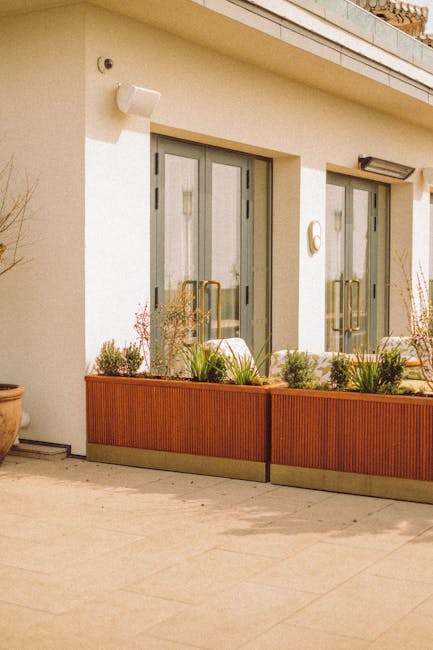
Belgravia roof terrace garden maintenance by local gardeners
Roof terraces in Belgravia have a very particular rhythm. One week the planting looks crisp and balanced; the next, a bit of wind, a dry spell, and a missed watering window can leave things looking tired. That is exactly why Belgravia roof terrace garden maintenance by local gardeners matters. It is not just about keeping pots alive. It is about protecting the terrace itself, preserving the design, and making sure the space feels calm, polished, and genuinely usable all year round.
If you are managing a private home, apartment building, or a small commercial roof space, the stakes are a little higher than with a ground-level garden. Weight limits, drainage, access, exposed conditions, and the simple reality of London weather all come into play. Local gardeners who understand roof terraces know how to work with those constraints rather than against them. And to be fair, that difference shows quickly.
In this guide, we will look at what roof terrace maintenance actually involves, how it works in practice, what local gardeners tend to focus on first, and how to avoid the common mistakes that turn a beautiful terrace into a costly headache. If you are comparing service options, you may also find it useful to review the wider services overview and the regular garden maintenance approach that supports more complex outdoor spaces.
Table of Contents
- Why Belgravia roof terrace garden maintenance by local gardeners matters
- How Belgravia roof terrace garden maintenance by local gardeners works
- Key benefits and practical advantages
- Who this is for and when it makes sense
- Step-by-step guidance
- Expert tips for better results
- Common mistakes to avoid
- Tools, resources and recommendations
- Law, compliance, standards, or best practice
- Options, methods, or comparison table
- Case study or real-world example
- Practical checklist
- Conclusion
- Frequently asked questions
Why Belgravia roof terrace garden maintenance by local gardeners Matters
Belgravia roof terraces are often designed to do a lot with a little. You might have planters instead of borders, paving next to soft planting, and seating that needs to feel connected to the greenery without becoming cluttered. The result can be stunning. But only if the maintenance is steady and thoughtful.
Local gardeners bring a practical advantage here. They understand the pace of London seasons, the way rooftop wind can dry containers faster than expected, and the fact that a terrace in May can suddenly look thirsty by Friday. That local awareness is useful, especially when a terrace sits above a valuable property and needs to look presentable without becoming overworked or fussy.
There is also a structural side to this. Roof gardens are not ordinary ground gardens. Drainage channels need to stay clear. Irrigation needs checking. Soil depth and container choice matter more than people often realise. One forgotten pot can become a cracked pot after a cold snap, and one blocked outlet can lead to water pooling where you absolutely do not want it.
Then there is the visual standard. Belgravia is a place where detail gets noticed. A bit of leaf litter, a leggy box ball, or a tired herb planter can stand out immediately. That does not mean the work has to be over-formal. It just needs to be consistent. A well-maintained roof terrace should look alive, not over-styled. Clean, not sterile. Comfortable, not chaotic.
Practical takeaway: roof terrace maintenance is part horticulture, part risk management, and part presentation. The best results come from regular care, careful plant selection, and gardeners who understand rooftop conditions rather than treating the space like a normal garden.
How Belgravia roof terrace garden maintenance by local gardeners Works
In practice, maintenance is usually built around a routine rather than a one-off tidy-up. The exact schedule depends on the planting, the season, and how the space is used, but the work normally follows the same broad pattern.
First comes an inspection. A good gardener will look at plant health, irrigation performance, drainage, exposed areas, signs of wind scorch, and any build-up of debris. Roof terraces often reveal issues slowly. A planter that looks fine from the doorway may be under-watered in the back corner or sitting in compacted compost that no longer drains properly. Small things, but they matter.
Next comes the practical work. This may include watering, deadheading, pruning, rotating containers, refreshing mulch, feeding plants where appropriate, and clearing leaves or grit from around drains. Where planting schemes include climbers, shrubs, herbs, or seasonal displays, maintenance may also mean selective trimming to keep the design tidy and in proportion.
If you have hard landscaping features such as decking or raised beds, maintenance often overlaps with other services. For example, a terrace with timber underfoot may benefit from a checked and cleaned surface, while a planted area next to built structures may need careful edging and weed control. In some projects, the work sits alongside decking services or broader landscape gardening support.
It is also common for local gardeners to coordinate access and timings carefully. Roof terrace work in Belgravia often needs quiet, tidy execution, especially in shared buildings or properties with limited access windows. Nobody wants tools clattering across paving at the wrong time. Let's face it, neighbours notice.
Key Benefits and Practical Advantages
Good roof terrace maintenance offers more than appearances. Yes, the terrace looks better, but the real gains go deeper than that.
- Longer plant life: regular watering, pruning, and feeding help plants stay healthy instead of constantly recovering from stress.
- Better drainage: clean outlets and unclogged channels reduce the risk of standing water and root problems.
- Safer surfaces: clearing moss, wet debris, and loose gravel helps reduce slip risks on decking and paving.
- Cleaner presentation: a terrace used for entertaining or everyday relaxation feels calm and intentional when it is maintained properly.
- Lower repair risk: early detection of plant failure, cracked containers, or overwatering issues can prevent more expensive fixes later.
- Better use of space: trimming and reshaping plants can restore light, movement, and access across the terrace.
There is also a quieter benefit that people sometimes overlook. A terrace that gets regular care is simply more inviting. You notice it when you step outside in the morning and the space feels fresh rather than neglected. That little feeling matters, especially in a part of London where outdoor space is precious and often small.
For properties where outdoor areas are part of the overall impression, maintenance can sit alongside landscaping improvements or seasonal tidy work such as lawn mowing where relevant to connected ground-level spaces.
Who This Is For and When It Makes Sense
This kind of service suits a wide range of people, but the common thread is simple: the terrace matters, and it needs to look and perform well without demanding constant hands-on attention from you.
You might need roof terrace garden maintenance if you are:
- a homeowner with a private terrace who wants reliable, year-round upkeep;
- managing a rental property where presentation affects appeal and retention;
- looking after a shared rooftop space in a block or converted building;
- running a hospitality or office property with exterior seating or planted features;
- dealing with plants that keep failing because the terrace is too exposed, too dry, or simply not being maintained often enough.
It also makes sense when the space has become a bit unruly. Perhaps the planting was installed with good intentions but has since outgrown the containers. Perhaps the irrigation is inconsistent. Perhaps nobody is quite sure which plants thrive in full wind and which ones sulk after one hot week. That is normal, by the way. Roof terraces can be stubborn.
If the terrace includes established planting and you need a more structured upkeep plan, a maintenance visit may be paired with services like hedge trimming or selective tree lopping and removal where taller planting creates shade, debris, or structural concerns. Not every terrace needs that, of course, but it is useful in larger or more layered schemes.
Step-by-Step Guidance
Here is a straightforward way to understand how a professional maintenance programme usually runs. Different gardens need different cadences, but the order of work is broadly similar.
- Assess the terrace. Check plant condition, drainage points, container stability, exposed corners, and signs of stress.
- Clear debris. Remove leaves, petals, litter, broken stems, and anything that could block drainage or make the terrace look messy.
- Water properly. Water deeply where needed, rather than giving a quick splash that barely reaches the roots.
- Prune and deadhead. Keep plants tidy, shape growth, and remove spent flowers so energy goes into healthy development.
- Feed and refresh. Top up compost, apply seasonal feed where suitable, and replace tired planting if necessary.
- Inspect containers and fixtures. Look for cracked pots, loose supports, signs of instability, and areas where wind exposure is causing damage.
- Finish with presentation. Align planters, sweep surfaces, and leave the space looking purposeful and calm.
If the terrace is part of a wider outdoor improvement plan, the maintenance process may also connect with garden clearance after a seasonal reset or a full changeover. Sometimes that is the cleanest way to get the site back under control. No drama. Just a reset.
A useful rule of thumb: if the space looks like it needs a "quick tidy," it often actually needs a proper check of roots, drainage, and watering habits. The visible mess is usually the symptom, not the cause. That is the bit people miss.
Expert Tips for Better Results
Roof terrace maintenance gets much easier when the basics are set up well. A few good choices early on save a lot of work later.
Choose plants that suit rooftop conditions
Wind, sun, and reflected heat can be tough on soft, delicate planting. Hardy, container-friendly plants usually perform better than species that prefer sheltered borders. Local gardeners often know which plants survive the terrace reality, not just the catalogue version of it.
Use the right containers
Lightweight containers may be easier to move, but they still need enough depth and stability for proper root development. A lovely planter that is too shallow becomes a troublemaker by midsummer. It dries out, tips, and starts looking sorry for itself.
Keep drainage visible and accessible
Drainage issues on roof terraces are not something to "watch and wait" on. Outlets should be checked regularly and kept free of leaves, grit, and plant debris. Even a small blockage can create a problem after heavy rain.
Prune lightly and often
On rooftop planting, frequent light maintenance is usually better than dramatic cuts. Heavy pruning can shock plants that are already dealing with exposed conditions. Gentle shaping tends to keep the terrace looking composed.
Match maintenance to the season
Spring and early summer often need more watering and feeding. Late summer may bring heat stress. Autumn usually brings leaf clearance and preparation for colder weather. Winter is when structural checks become especially important, because a cold wind can expose weaknesses fast.
A small aside, because it happens all the time: if you find yourself saying, "It was fine last week," the terrace is probably asking for a routine rather than a rescue. Happens more often than people admit.
Common Mistakes to Avoid
Some mistakes show up again and again with rooftop planting. They are easy to make, especially if the terrace looked great when it was first installed.
- Under-watering in dry, windy conditions: roof terraces lose moisture quickly, so visual checks matter.
- Overloading containers: dense planting can look lush at first, then become overcrowded and weak.
- Ignoring drainage: blocked outlets are one of the most avoidable causes of trouble.
- Using unsuitable plants: tender plants may struggle in exposed rooftop conditions.
- Letting maintenance become seasonal only: a roof terrace usually needs regular attention, not just a spring tidy-up.
- Forgetting the hard surfaces: soil splash, algae, and debris on paving or decking can make the whole space feel neglected.
Another common issue is assuming the planting scheme will "settle in" and then look after itself. To be fair, some schemes do become easier over time. But most roof gardens still need a watchful eye. Even a very good design can slide into stress if watering or pruning falls behind.
If the terrace is connected to timber features, seating areas, or other built elements, it can help to combine plant care with a review of any surrounding structure. That is where broader insurance and safety awareness and sensible site practices matter, especially on elevated spaces.
Tools, Resources and Recommendations
For roof terrace work, the right tools matter as much as the right timing. You do not need a warehouse full of kit, but the essentials should be reliable and suited to awkward access.
| Tool or resource | Why it helps | Best use on a roof terrace |
|---|---|---|
| Hand pruners | Clean cuts on stems and light shaping | Deadheading, soft pruning, tidying herbs and shrubs |
| Watering can or hose setup | Controlled watering without soaking surfaces unnecessarily | Container planting, new plants, dry corners |
| Lightweight debris tools | Easy removal of leaves and loose material | Drain areas, deck edges, narrow access routes |
| Plant feed and compost | Supports healthy growth in containers | Seasonal refreshes and tired planters |
| Drain inspection routine | Prevents water pooling and hidden blockages | After storms, leaf fall, and windy periods |
| Service schedule | Helps keep care consistent | Weekly, fortnightly, or monthly visits depending on need |
For property owners comparing support options, it can help to review the company's pricing and quotes information early. That gives you a clearer sense of scope before you commit to a schedule. You may also want to look at the business approach on about us if trust and local experience matter to you, which they usually do.
And if sustainability is part of your decision-making, terrace maintenance can be planned in a way that reduces waste, reuses healthy material where possible, and avoids unnecessary replacement. The service pages on recycling and sustainability are useful to review if you prefer a more responsible approach to green waste and materials.
Law, Compliance, Standards, or Best Practice
Roof terrace maintenance sits in a space where good horticulture and good site practice overlap. You do not need to turn it into a paperwork project, but there are sensible standards to follow.
For example, access and working-at-height considerations should be handled carefully. Even when the work looks simple from the ground, carrying tools, water, compost, or heavy pots onto a roof terrace introduces practical safety concerns. Local gardeners should work in line with appropriate health and safety procedures, use sensible manual handling practices, and avoid overloading surfaces or moving anything that could compromise stability.
Drainage and water management are also part of best practice. A terrace that sheds water poorly can develop standing water, slippery patches, and long-term damage. That is not the sort of surprise anyone wants after a wet week in London.
If the terrace is part of a managed building or shared property, it may also need coordination with building rules, access arrangements, and the expectations of freeholders or residents. In those cases, clear communication matters as much as the gardening itself. A good maintenance visit should leave the space tidy, safe, and ready for use with minimal disruption.
For peace of mind, many clients also like to know that a contractor is transparent about working practices, payment processes, and complaint handling. The related site pages on health and safety policy, payment and security, and complaints procedure show the kind of operational care that should sit behind any professional service. It is a small thing, but it builds confidence.
Options, Methods, or Comparison Table
There is no single "best" way to maintain a roof terrace. The right method depends on how the space is used, what is planted, and how much hands-on care the owner wants to carry out themselves.
| Approach | Best for | Strengths | Limitations |
|---|---|---|---|
| DIY maintenance | Small terraces, confident owners, simple planting | Lower cost, flexible timing, direct control | Easy to miss drainage, plant stress, or seasonal timing |
| Occasional tidy-up visits | Spaces that need support a few times a year | Helpful for resets, pruning, and seasonal refreshes | Problems can build up between visits |
| Regular local gardener care | Belgravia roof terraces that need consistent presentation | Stable plant health, better drainage checks, smoother appearance | Requires planned scheduling and ongoing budget |
| Maintenance plus landscape support | Terraces with hard landscaping, structural planting, or bigger design goals | Integrated look, better long-term performance, more strategic care | More moving parts and more coordination |
If your terrace is evolving into a more design-led outdoor space, it may make sense to combine maintenance with wider landscape gardening rather than treating it as isolated plant care. That usually gives better results over time, especially where planting, paving, and layout need to work together.
Case Study or Real-World Example
Here is a realistic example from the sort of work local gardeners often encounter. A Belgravia roof terrace had been installed with several large planters, evergreen structure, herbs near the seating area, and a few seasonal plants for colour. At first it looked lovely. Crisp, stylish, very much "done."
By late summer, though, the signs of neglect were starting to show. Some herbs had become woody and patchy, two planters were drying out faster than the others, and leaves had begun to collect around a drain corner after windy weather. Nothing dramatic. Just enough to make the whole terrace feel less cared for.
The maintenance response was simple but methodical: clear debris, check the drainage points, rework the watering routine, trim back tired growth, replace a few weak plants, and rebalance the planting so the terrace looked intentional again. A little more structure went into the plan after that. Not complicated, just consistent.
Within a short time, the terrace felt calmer and more usable. The seating area no longer sat beside straggly herbs, the containers looked coordinated again, and the drainage check removed a small worry that had been sitting in the background. That is usually how these jobs go. The best outcome is often not a dramatic transformation, but the quiet return of order.
In projects like this, a service such as lawn mowing might not apply directly to the roof terrace itself, but the same habit of routine care often extends to any adjoining outdoor space. Good maintenance is really about continuity.
Practical Checklist
Use this checklist if you want to keep a Belgravia roof terrace in better shape between visits or while planning a professional maintenance schedule.
- Check whether all planters are stable and not sitting unevenly.
- Look for water pooling near drains or low points after rain.
- Remove dead leaves, fallen petals, and other debris regularly.
- Water containers thoroughly, especially in warm or windy weather.
- Inspect plants for wind scorch, yellowing, or compacted growth.
- Deadhead and trim lightly to keep planting tidy.
- Refresh compost or mulch where the surface looks tired.
- Check that decking, paving, or other hard surfaces are clean and safe.
- Make sure access routes stay clear for both users and maintenance work.
- Review whether the planting still suits the terrace's exposure and use.
Quick check: if you can walk onto the terrace and instantly spot three things that feel off, the space probably needs a proper maintenance visit rather than a rushed tidy. That is usually the honest answer.
Get a free quote today and see how much you can save.
Conclusion
Belgravia roof terrace garden maintenance by local gardeners is about much more than keeping plants alive. It is about protecting a valuable outdoor space, keeping it safe and presentable, and making sure it still feels like somewhere you want to spend time. Roof terraces need regular attention because they live in a tougher environment than most people realise, and the work is best handled by gardeners who understand that from the start.
When maintenance is done well, the results are calm and quietly impressive. Plants look healthier. Drainage stays clear. Surfaces feel cared for. And the terrace continues doing what it was meant to do: giving you a little patch of green above the city, even on an ordinary Tuesday with a grey sky and a bit of London wind.
If you are ready to plan the next step, it helps to look at the broader services overview and get clear on what your terrace actually needs, not just what it seems to need at first glance. A good local gardener will help you make that call properly. No pressure, no fuss, just sensible advice and steady care.
Frequently Asked Questions
What does Belgravia roof terrace garden maintenance by local gardeners usually include?
It usually includes watering, pruning, deadheading, debris removal, drainage checks, plant health inspection, and tidying the terrace so it stays safe and presentable. Some visits also include container refreshes or plant replacements where needed.
How often should a roof terrace be maintained?
That depends on the planting and exposure, but many terraces benefit from regular visits rather than occasional big clear-ups. Windy, sunny, or heavily planted spaces often need more frequent care in peak growing periods.
Why use local gardeners instead of a general gardening service?
Local gardeners are more likely to understand rooftop conditions in Belgravia, including wind exposure, access challenges, and the need for discreet, tidy work. That practical awareness can make a real difference.
Can roof terrace maintenance prevent drainage problems?
Yes, regular maintenance can help prevent blocked outlets and standing water by keeping debris away from drainage points. It cannot fix a damaged drainage system, but it can stop a lot of avoidable issues from building up.
What plants work best on a Belgravia roof terrace?
Hardy, container-friendly plants usually cope best, especially those that can handle wind and periodic dry spells. The exact selection depends on sun, shade, exposure, and how much watering support the terrace will receive.
Is roof terrace maintenance different from garden maintenance?
Yes, because roof terraces are more exposed and often rely on containers, raised planting, and carefully managed drainage. They need a slightly different approach from ground-level gardens, especially in terms of watering and safety.
What are the most common signs that a roof terrace needs attention?
Common signs include dry or yellowing plants, dead leaves collecting near drains, uneven watering, tired containers, slippery surfaces, and plants that have become too leggy or crowded.
Can maintenance include decking or hard surface care?
Yes, it often should. A roof terrace looks and functions better when the planting and hard surfaces are cared for together. That may involve light cleaning, debris removal, and checking for issues around timber or paved areas.
How do local gardeners handle access on roof terraces?
They usually plan carefully for access, movement of tools, and timing, especially where the terrace is part of a shared or occupied building. Good access planning keeps disruption low and helps the work run smoothly.
What should I ask before booking roof terrace maintenance?
Ask what is included, how often visits are recommended, how drainage is checked, whether plant replacement is available, and how the team handles safety and access. A clear answer usually tells you a lot about how they work.
Does roof terrace maintenance need to be year-round?
In most cases, yes. The intensity changes with the season, but terraces are exposed all year and benefit from ongoing attention. Winter checks can be just as important as summer watering, even if the work looks different.
Where can I learn more about the company behind the service?
You can review the about us page, and if you want to make an enquiry, the contact us page is the next sensible step. Clear, simple, and no faff.