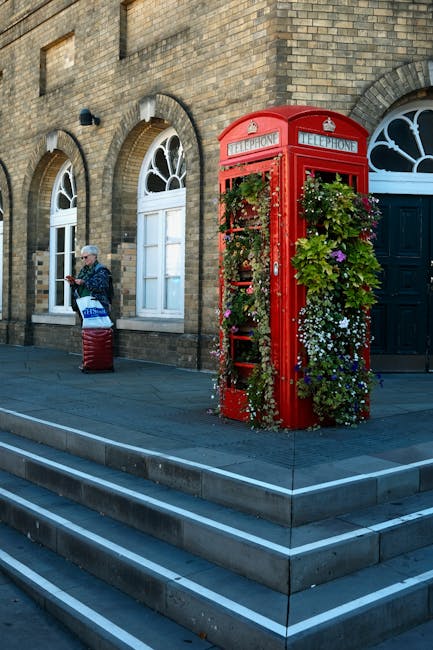
Victoria station area garden clearance gardeners tips for flats
If you live in a flat near Victoria station, garden clearance can feel like one of those jobs that looks simple until you actually start. Small access, shared spaces, awkward bin storage, neighbours coming and going, maybe a balcony with half-dead pots or a courtyard that's become a bit of a jungle by late summer. The good news? With the right Victoria station area garden clearance gardeners tips for flats, you can make the process tidier, safer, and far less stressful than most people expect.
This guide is written for anyone dealing with a flat's outdoor space in central London: residents, landlords, letting agents, block managers, and anyone who needs a quick but sensible plan. You'll find practical steps, common mistakes, compliance considerations, and a realistic idea of what professional help can do. If you want a broader overview of what a professional team can handle, it may help to start with the services overview before diving into the details.
Table of Contents
- Why this matters for flats near Victoria station
- How flat garden clearance usually works
- Key benefits and practical advantages
- Who needs this and when it makes sense
- Step-by-step guidance
- Expert tips for better results
- Common mistakes to avoid
- Tools, resources and recommendations
- Law, compliance, standards, or best practice
- Options, methods, or comparison table
- Case study or real-world example
- Practical checklist
- Conclusion
- Frequently asked questions
Why Victoria station area garden clearance gardeners tips for flats Matters
Flat gardens and outdoor spaces in the Victoria area are rarely generous. That's part of the charm, to be fair, but it also means neglected growth becomes obvious fast. A few weeks of rain and shade can turn a neat courtyard into a slippery, cluttered space with blocked drains, fallen leaves, broken pots, and plant debris that starts attracting pests or creating odours.
Garden clearance matters because flats bring extra layers of complexity. You are often working around shared entrances, fire exits, basement lightwells, communal paths, and neighbours who don't want noise at awkward times. There may also be leasehold rules, management company expectations, or a building concierge who needs notice before materials are moved through communal areas. That is why the best Victoria station area garden clearance gardeners tips for flats are not just about cutting things back; they are about planning access, protecting surfaces, and leaving the place orderly.
There is also a simple practical point: a cleared outdoor space gets used. A balcony becomes somewhere to sit with a coffee in the morning. A courtyard becomes a place you actually want to step into, instead of one you hurry through with a bin bag and a resigned expression. Small space, big difference.
How Victoria station area garden clearance gardeners tips for flats Works
In a flat, garden clearance is usually more structured than a quick tidy-up. A good job typically starts with a short survey of the space, even if that survey is only a few minutes long. The gardener identifies what is being removed, what should be retained, where access is narrow, and whether there are any trip hazards or fragile surfaces to protect.
From there, the work usually follows a sequence: clear loose waste first, cut back overgrowth, remove dead plants, bag and sort green waste, then finish with a clean-down. In small outdoor spaces, the clean-down is almost as important as the cutting. Nobody wants stray soil on stairwells or clippings caught in a communal drain.
Professional teams often build in sensible extras for flats: careful carrying methods for shared hallways, noise awareness, considerate scheduling, and disposal planning. If the clearance is part of a wider property refresh, it may sit alongside garden maintenance or even follow on into landscaping if the space needs reshaping after clearance.
One thing people sometimes miss: flat clearances are often about restraint. Not everything should be ripped out. A climber on a trellis, a small shrub that softens a wall, or a mature planter arrangement might be worth keeping if it still works. The job is to restore usability, not strip the space bare.
Key Benefits and Practical Advantages
There are obvious benefits, and then there are the quieter ones that make day-to-day life easier. The obvious one is space. Clearing back dead material, tangled growth, and stored clutter instantly makes a flat's outdoor area feel larger. Light comes through again. Doors open properly. You can move without stepping around forgotten bags of compost from two summers ago.
The second benefit is safety. Overgrown planting can hide broken slabs, loose edging, or damp patches. In a flat environment, that matters because more people may use the same route. A clean, clear space reduces slip and trip risks and gives you a proper view of drains, walls, and boundaries.
The third benefit is neighbour harmony. Let's face it, in central London shared living is part of the deal. A well-organised clearance with sensible timing and tidy waste removal avoids a lot of friction. You may only get one chance to create a good impression with the people above, beside, or below you.
There is also a value angle. For rental flats, clear outdoor areas tend to photograph better, show better, and feel better during viewings. For owner-occupiers, the return is more personal: less stress, less mess, more usable outdoor time, and fewer little jobs building up in the background.
Who This Is For and When It Makes Sense
This kind of clearance makes sense for a wide range of people, but especially if you live in or manage a smaller property close to Victoria station where access is tight and outdoor space is limited. A flat owner might need it after a period of neglect, a busy work season, or a move-in where the previous occupant left the space in poor condition.
Landlords and letting agents often need a clearance between tenancies, particularly if the balcony or garden has become overrun. Block managers may need a one-off tidy before inspections, repairs, or communal improvements. And if you are someone who simply prefers a calm, tidy outdoor area without spending your Saturday fighting brambles and old plant pots, that counts too.
It also makes sense after seasonal change. Early spring can reveal winter damage. Late autumn often exposes leaf build-up, soft growth, and debris that has been hidden during summer. One small but useful question to ask yourself is: can I use the space safely right now? If the answer is no, the clearance probably moved from "nice to have" to "should be done soon".
Step-by-Step Guidance
Here is a practical way to approach flat garden clearance without turning it into a weekend drama.
- Walk the space first. Check what needs removing, what should stay, and whether there are any access issues. Look for broken pots, unstable planters, low-hanging branches, and slippery areas.
- Agree access and timing. In flats, this is non-negotiable. Make sure lift use, hallway movement, and shared entrances are considered. A 9 a.m. start may be fine for you, but maybe not for the neighbour who works nights.
- Separate waste into sensible groups. Keep green waste, recyclable containers, reusable pots, and general rubbish apart where possible. It saves time later and makes the finish cleaner.
- Cut back in layers. Start with dead material and obvious clutter, then move to heavier pruning. This is safer than diving straight into the thickest growth.
- Protect hard surfaces. Use covers or simple precautions for stone, decking, and paving. A small scratch on a balcony surface is annoying in a way that lingers.
- Bag and remove waste promptly. Do not let piles sit around. In flat settings, the visual mess quickly becomes the real nuisance.
- Finish with a proper sweep or rinse. The final look matters. A clear, neat finish is what turns clearance into real improvement.
If the job is part of a broader refresh, a bit of lawn care may be involved too. For that, lawn mowing services can help keep the grass under control where a tiny patch of turf exists, though many flats in Victoria will have more hard landscaping than lawn.
Expert Tips for Better Results
One of the best tips is to treat a flat clearance like a logistics job as much as a gardening job. The cutting is only half of it. The rest is movement, protection, and disposal. If you solve those three things early, the work feels much smoother.
Another tip: photograph the space before you start. This helps if you need to show a landlord, agent, or neighbour what changed. It also helps you remember where fragile items were placed. A quick phone photo takes seconds. Saves arguments later. Funny how that works.
Use the season to your advantage. In damp periods, avoid leaving wet clippings in piles, because they get heavy and unpleasant quickly. In dry weather, keep an eye on dust and loose soil drifting onto communal areas. Small spaces can be surprisingly messy if you do not control the waste as you go.
Be selective with pruning. In flat gardens, over-pruning can leave the area feeling stark and exposed, especially if nearby windows look directly down into it. It may be better to shape shrubs neatly rather than remove everything. A balanced space often feels more private and more lived-in.
And if there are climbing plants, check what they are attached to before pulling. Trellises, railings, and old fixings can come loose in a second. A patient hand is usually better than brute force. Truth be told, a lot of garden mistakes happen because people rush the last ten percent.
If you want the outdoor area to keep looking good after clearance, consider planned follow-up care. A regular schedule through garden maintenance prevents the space from slipping back into chaos, which is often easier and cheaper than letting it fully overgrow again.
Common Mistakes to Avoid
One of the biggest mistakes is starting without a clear plan for waste. In a house with a large driveway, you can sometimes improvise. In a flat, that usually creates a bottleneck. Bags, branches, and broken pots need somewhere to go, and they need to get there without blocking entrances.
Another common error is ignoring shared space etiquette. Even a small pile of soil in a hallway can feel like a bigger issue in a building where people pass through all day. Clear communication avoids complaints, and nobody enjoys an awkward note on the lobby board.
People also underestimate the weight of wet green waste. A tiny pile of clippings can become a heavy, dripping load after rain. That matters when you are carrying it through lifts or across tiles. It is one of those unglamorous realities that only becomes obvious once you're halfway down the stairs.
Other mistakes include:
- Removing healthy plants that could be reshaped instead of discarded
- Forgetting to check whether access routes need protecting
- Leaving sharp cuttings or hidden debris behind
- Using the wrong tools for confined spaces
- Trying to do everything in one go rather than working in stages
- Neglecting to confirm disposal arrangements before starting
There is also the temptation to treat every clearance like a full reset. Sometimes that is right, but often a flat just needs a disciplined tidy and a bit of control. Not a wipe-out. Big difference.
Tools, Resources and Recommendations
For flat clearances, the best tools are often the most manageable ones. Compact secateurs, folding saws, lightweight loppers, sturdy gloves, sacks that will not split, and a broom or hand brush for final clean-up can cover a lot of ground. If the space is cramped, bulky equipment can become more trouble than help.
You may also want plant ties, tarps, and debris sheets to make movement cleaner. For wet or muddy areas, simple non-slip footwear matters more than people think. One slip on a balcony or patio surface is enough to spoil the whole afternoon.
In a more involved job, professional teams may also use specialist disposal methods, access equipment, or pruning tools suited to awkward reaches. If the clearance includes tree work or larger woody growth, it may be sensible to look at tree lopping and removal rather than trying to tackle it as a standard tidy-up.
For repeat work, it helps to keep a simple property record: what was cleared, what was kept, what plants are seasonal, and what needs monitoring next month. That sounds almost too simple, but it saves a lot of head-scratching later.
For sustainability-minded households, ask how waste is handled and whether materials can be sorted responsibly. If that matters to you, the company's approach to recycling and sustainability is worth checking before any job begins.
Law, Compliance, Standards, or Best Practice
For flats, the legal and practical side is not something to gloss over. You do not need to become a property lawyer, but you do need to respect the building's rules, your lease terms if applicable, and any management instructions about access, noise, and waste handling. In London, that can be the difference between a smooth job and a slightly miserable one.
Best practice usually means checking whether the work affects shared areas, whether any permission is needed, and whether waste can be removed in line with local arrangements. If material is being bagged and carried through communal space, the route should be safe and kept clean. That is just sensible, really.
Health and safety should also be taken seriously. Cutting tools, unstable planters, hidden glass, damp paving, and overhead hazards all deserve attention. If you are hiring someone, ask how they manage risk and whether they carry suitable cover. A professional outfit should be able to explain that clearly. For more detail on this side of the work, see the health and safety policy and insurance and safety information.
If you are booking work, clarity around pricing and the scope of the job matters as well. A good quote should say what is included, what counts as extra, and how disposal is handled. No vague "we'll see on the day" surprises if it can be helped. You can usually reduce confusion by reviewing pricing and quotes before agreeing anything.
Options, Methods, or Comparison Table
There is more than one way to handle a flat clearance. The right method depends on the size of the space, how overgrown it is, and how much access you have. Here is a simple comparison.
| Approach | Best for | Pros | Limits |
|---|---|---|---|
| DIY tidy-up | Small, light clearances with easy access | Cheap, flexible, quick for minor jobs | Time-consuming, harder waste handling, easy to miss details |
| Partial professional clearance | Flats with moderate overgrowth or limited access | Efficient, tidy finish, less disruption | May not include ongoing maintenance unless arranged |
| Full clearance and reset | Neglected courtyards, terraces, or rental turnarounds | Best for a complete transformation | Can take longer and may require more disposal planning |
| Clearance plus ongoing care | Spaces that need to stay presentable year-round | Prevents repeat overgrowth, easier long-term | Requires a regular schedule |
For some flats, the best route is not "clear once and forget". It is "clear properly, then maintain lightly." That tends to hold up much better in busy parts of Westminster and central London.
Case Study or Real-World Example
Picture a typical flat near Victoria station: a compact courtyard behind the building, mostly shaded, with a few pots, a small strip of soil, a tired climber on one wall, and a pile of forgotten items tucked behind a bench. Nothing dramatic. Just the sort of place that quietly gets out of hand.
In a case like that, the first step is not cutting everything down. It is sorting the clutter. Old pots come out. Broken supports are removed. Dead annuals are cleared. The climber is checked to see whether it is actually healthy or just unruly. Then the remaining growth is shaped, not butchered.
What usually surprises people is how much difference the final clean-up makes. Once the waste is gone, the courtyard suddenly feels bright again. You notice the paving. You notice the wall space. You notice that there is room to sit down. It sounds minor until you live with it every day, and then it is rather lovely.
That sort of result is often best supported by a longer-term plan. If the space is likely to grow quickly again, a scheduled trim or follow-up visit may be better than waiting for it to reach the same level of mess all over again.
Practical Checklist
Use this before, during, or after a flat garden clearance:
- Check access routes, lifts, and shared entrances
- Confirm what must be kept, pruned, or removed
- Protect floors, paving, and balcony surfaces
- Keep green waste separated from general rubbish where possible
- Use compact tools that suit the space
- Watch for hidden hazards such as broken pots or slippery patches
- Schedule work at a considerate time for neighbours
- Clean the space thoroughly at the end
- Arrange disposal before the job begins
- Plan follow-up maintenance if the space grows back quickly
Practical summary: In flat properties, the best clearance is not just about removing plants. It is about access, safety, waste handling, and leaving the space genuinely usable once you are done.
If you are comparing a one-off clearance with a more regular service, it may help to look at garden clearance alongside recurring upkeep so you can choose the right level of support for the space.
Conclusion
Victoria station area garden clearance gardeners tips for flats come down to a simple idea: in small, shared spaces, the details matter more than the drama. Good access planning, sensible pruning, tidy waste removal, and a considerate approach to neighbours will do more for the final result than brute force ever could.
Whether you are clearing a balcony, a courtyard, or a tucked-away communal patch, the goal is the same. Make it safer. Make it cleaner. Make it useful again. And if the area needs ongoing attention, build that into the plan rather than waiting for it to become a problem all over again. That little bit of forethought goes a long way.
Get a free quote today and see how much you can save.
Sometimes the best garden work is quiet, careful, and finished before anyone even notices how much better the space feels. That is the kind of improvement people remember.
Frequently Asked Questions
What is the best way to clear a small flat garden near Victoria station?
The best approach is to start with access, waste handling, and a clear decision about what stays. In small spaces, a staged tidy-up is usually better than trying to do everything at once.
Do I need permission to do garden clearance in a flat?
Sometimes, yes. It depends on your lease, building rules, and whether the work affects shared areas. If in doubt, check with the landlord, managing agent, or building manager first.
Can garden clearance include balcony pots and planters?
Yes, it often does. Pots, planters, dead annuals, compost bags, broken supports, and small decorative items are commonly included in flat clearances.
How long does a flat garden clearance usually take?
That depends on the size of the space and how overgrown it is. A simple tidy-up may be quick, while a neglected courtyard or balcony with heavy clutter can take much longer.
What should I do with green waste from a flat?
Green waste should be bagged and removed responsibly. In flats, it is especially important to avoid leaving piles in communal corridors or near entrances.
Is it worth hiring professionals for a very small space?
Often, yes. Small spaces can still be awkward to access, and the waste handling alone may make professional help worthwhile. Sometimes the smallest jobs are the fiddliest ones.
How do I keep neighbours happy during garden clearance?
Choose considerate times, keep noise down where possible, protect shared areas, and avoid blocking entrances. A short heads-up can prevent a lot of irritation.
Should I clear everything or keep some plants?
Usually, keep anything healthy that still adds shape, privacy, or colour. A good clearance should restore order, not leave the space barren unless a full reset is genuinely needed.
What tools are useful for flat garden clearance?
Compact secateurs, loppers, gloves, bags, a broom, and protective sheets are often enough for smaller spaces. Bigger or more difficult jobs may need specialist tools.
How often should a flat outdoor space be maintained after clearance?
For most flats, a light maintenance plan works better than waiting for major overgrowth. Monthly or seasonal upkeep is often enough, depending on how quickly the space grows.
What if the garden area is shared with other flats?
Then coordination becomes more important. Agree access, timing, waste routes, and responsibility for any communal areas before work begins.
Where can I find help beyond a one-off clearance?
If you want ongoing support, look at garden maintenance and the wider services overview to see which option fits your space and schedule best.